
Quake Checks Out of Harbor City, Port to Peninsula
Our base is Harbor City, the Los Angeles neighborhood between Lomita and the Harbor Freeway.
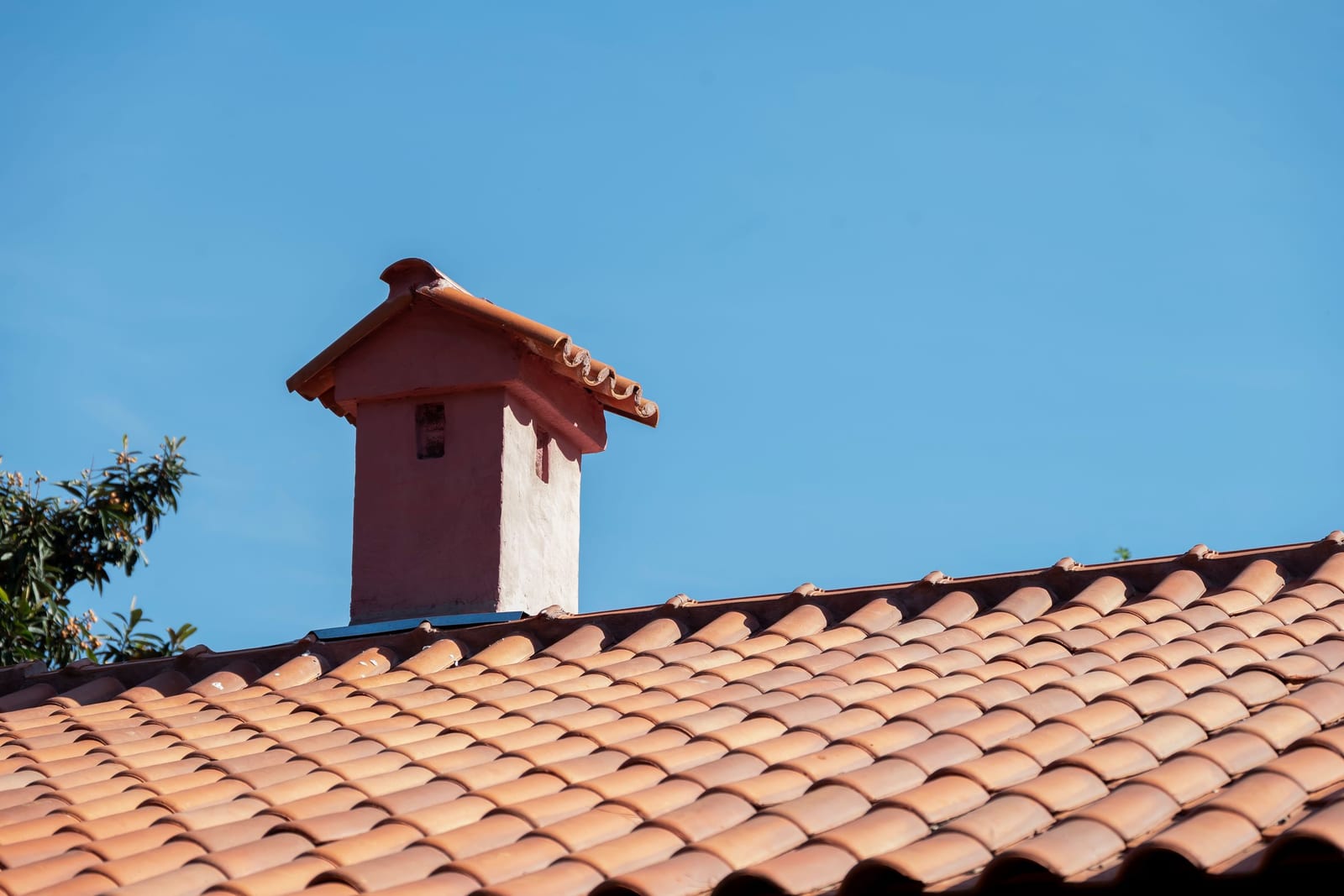
One quake, a different weak point in every town
A cracked stack in Lomita, on a peninsula slope and in old Long Beach rarely fails for the same reason.
a small, quiet city at the foot of the peninsula hills, tucked between Torrance and Harbor City
Lomita
Lomita sits at the base of the peninsula, where the hills give way to flat ground, and its housing is mostly modest and decades old. Chimneys here rarely get much attention until something changes, and many have never had a camera through them. A first Level 2 inspection often finds open liner joints left by some earlier shake.
a broad South Bay city that runs from early homes near downtown to post-war tracts and the hills of Walteria and the Riviera
Torrance
Much of Torrance was built out quickly after the war, and whole tracts share the same chimney design, so a weakness found on one house is often present on its neighbors. The older homes near downtown carry chimneys from an earlier era, and those in the hills toward the peninsula sit on sloping lots. We tailor the inspection to which of those three a home belongs to.
the slopes and coastal terraces of Rancho Palos Verdes, from the Portuguese Bend area on the south side to the ridge roads up top
Rancho Palos Verdes
Most peninsula chimneys date from when their houses went up, and they have ridden out every strong quake to hit the region, often without anyone running a camera through the flue. On the south side of the city, lots in and near the Portuguese Bend landslide area can creep slowly season after season, so a chimney may lean or open a gap at the wall with no single event to blame. We measure that gap and photograph the flue so the next visit can tell whether anything has changed.
the port city to the east, whose older neighborhoods were rebuilt after the 1933 Long Beach earthquake
Long Beach
The 1933 Long Beach earthquake did heavy damage to brick buildings across the city, and homes that predate it sometimes carry chimneys rebuilt afterward, in a brick that does not quite match the house. That means two structures stacked on each other, and the joint between them is one of the first places we look. Chimneys built in the decades after are often taller and heavier than they look from the street.
a flat inland city of single-story streets between Torrance and the Harbor Freeway
Gardena
Gardena's housing is mostly single-story, which means chimneys tend to rise straight from a low roof with a good length of unbraced masonry above it. Many have never been connected to the ceiling framing. We check the attic connection and the line of the stack on every visit, because this kind of chimney shows movement at the roofline first.
the inland slopes of the peninsula, where horse trails and canyon roads wind between larger lots
Rolling Hills Estates
Ranch houses here often have long, low chimney breasts and tall stacks rising well above a shallow roof, which leaves a lot of unbraced masonry to sway. Lots cut into canyon sides can settle unevenly, and we often find the first sign of it in flashing that has torn where the chimney meets the roof. We look at the stack, the attic connection and the footing side of the chimney together.
the City of Los Angeles, from San Pedro and Harbor City beside the peninsula to the hillside neighborhoods farther north
Los Angeles
On our side of the city, we mostly work in San Pedro, Harbor City and Wilmington, where housing ranges from early twentieth century homes to post-war tracts. Much of Los Angeles has lived through the 1971 San Fernando and 1994 Northridge earthquakes, and chimney damage was common in both. A chimney that came through standing may still have open liner joints or a weakened joint at the roofline.
a foothill suburb on the Ventura Freeway below Ladyface Mountain
Agoura Hills
Half the homes here date from 1979 or later, so a house could have either a brick stack or a metal flue in a framed chase. We sort out which one you have first, because brick depends on its ties and metal depends on its supports.
a San Gabriel Valley gateway that began along the streetcar lines
Alhambra
Roughly one house in three goes back before 1950, and those flues carry the most risk in a shake. Gas logs added later do not change the masonry above them, so we still look at how that stack is held to the house.
a foothill city of large lots along Huntington Drive and Foothill Boulevard
Arcadia
Original ranch homes keep giving way to much larger houses, so one street can mix an old unbraced stack with a new framed chase. Each one moves differently in a quake, and we inspect it on those terms.
a compact tract city on old dairy land, home of Little India
Artesia
Low ranch roofs from the 1950s and 1960s leave a chimney standing tall and alone above the shingles, with little bracing around it. We trace it down into the attic to learn what, if anything, holds it to the house.
a small harbor town on Santa Catalina Island, built close together
Avalon
Half the homes went up before 1946, an unusually old mix for this region, and only a third are detached. Old masonry on a tight hillside town means a loose stack threatens the neighbors too, so its ties matter.
a foothill city below the San Gabriels on the Metro A Line
Azusa
Fewer than half the homes are detached, and the oldest bungalows sit near Citrus Avenue and Foothill Boulevard. A chimney on one of those early houses deserves a close look at its mortar, since worn joints give little resistance to shaking.
a post-war tract suburb on former citrus and walnut land
Baldwin Park
Tracts spread fast here after World War II, so many chimneys share an age and a build. A small ranch house may not look like much of a risk, yet its stack above the roof is still solid masonry, and weight is what a quake works on.
a dense Gateway Cities town of small houses and rear units
Bell
Narrow lots with rear units put people close to any chimney, and about 4 in 10 homes here went up before 1950. Most households rent, so a landlord may not know a stack's condition until we look at its joints and ties.
a small-home city on old farmland beside the Rio Hondo
Bell Gardens
Families built small homes here on split-up farmland, some of them Dust Bowl arrivals in the 1930s. Chimneys from that era and the post-war years that followed can be simple and lightly built, so we start by checking how sound the masonry is.
a mixed rental city along the San Gabriel River, once farm country
Bellflower
Only about half the housing is single-family, so plenty of chimneys here belong to rental property that changes hands. A new owner rarely knows how a stack was built, and we check the attic and roofline to answer that.
a 1906 planned city, from the Flats to the Golden Triangle
Beverly Hills
Building in the Flats boomed in the 1920s and 1930s, when masonry often went up without steel. Nearly 4 in 10 homes here predate 1950, so a fine facade can hide a tall old stack that was never tied in, and that is what we look for.
a tiny gated foothill city of custom estates and horse properties
Bradbury
With no tract plans to go on, every house here is its own case, and chimney types vary by owner and era. Fewer than 800 residents share the whole city, mostly in homes they own, so we approach each stack as a one-off.
a Valley city climbing from the Rancho district to the Verdugos
Burbank
Hillside houses climbing the Verdugos often stand on sloped lots, where a stack can run long on the downhill side. Plenty of older homes share the city too, with about a third built before 1950, so we check each anchor point along the way.
a planned community in the hills at the Valley's far western edge
Calabasas
Half the homes here went up after 1984, so true old brick is scarce, and many chimneys may be metal systems behind framed walls. Those hold up well in shaking when their sections and supports stay tight, which is what we check.
a Los Angeles neighborhood in the West Valley, once called Owensmouth
Canoga Park
As a Los Angeles neighborhood rather than a city, Canoga Park holds two chimney generations: bungalows from its Owensmouth days and post-war ranch houses. Both can carry hidden damage, since the ground here moved hard in 1994, so we start at the roofline.
a South Bay city of mostly owner-occupied homes near Dominguez Hills
Carson
Three in four households here own their homes, and owners tend to keep a house long enough to care what its chimney does in a quake. A post-war stack may have steel inside, but we check that it is still connected.
a master-planned city on the dairy land once called Dairy Valley
Cerritos
Nearly all of Cerritos went up in the 1960s and 1970s, as metal fireplaces from the factory started replacing site-built brick. So the question is which type your house has, since a quake tests each one in a different place.
a tree-lined college city rising into the foothills at Padua Hills
Claremont
Brick chimneys from the 1920s to 1940s are the ones most prone to earthquake cracking, and Claremont keeps a fair number under its trees. Hillside lots in Padua Hills and Claraboya add height, so we look hard at how each stack is secured.
a largely industrial city with small pockets of homes
Commerce
Commerce was founded largely as an industrial city, so its housing is scattered in small clusters between plants. Those houses are older and modest, about 3 in 10 from before 1950, and a stack there needs the same look at its ties as any other.
a city of tract streets hit hard by the 1933 quake
Compton
Older brick from the 1920s to 1940s survives among the post-war tracts, and those are the chimneys most likely to crack in a quake. After what 1933 did here, it pays to know whether yours has a real connection to the house.
a San Gabriel Valley city of 1950s and 1960s neighborhoods
Covina
About 3 in 4 homes here predate 1980, and only a small share reach back before 1950, so post-war masonry is the typical case. Gas logs may have replaced the wood fire, yet the block or brick above still needs checking against shaking.
a tiny, dense rental city named for a meatpacker
Cudahy
Roughly 6 in 7 households rent here, and many lots now hold a house plus added units. An older chimney up front may sit beside new walls and roofs, so a falling brick reaches more people, and the landlord should know its condition.
a 1913 city along Ballona Creek below the Baldwin Hills
Culver City
Bungalow streets grew up here in the 1920s, and a quarter of the homes still date from before 1950. An old bungalow's chimney usually predates quake codes entirely, and we pay close attention to how it meets the roof and framing.
a hillside tract city at the edge of Tonner Canyon
Diamond Bar
Half the homes here went up after 1980, and many of those carry factory-built fireplaces with metal flues in framed chases. On a hillside lot, the concern shifts toward chase framing and flue supports, and we check both along with any older masonry.
a large Southeast County city of tree-lined tract streets
Downey
Half the homes here were built before about 1959, nearly all single-story, which leaves a chimney rising from a low roof with little to lean on. Trees along these tract streets can also hide its top from view, so we go up and look.
a citrus-town-turned-suburb at the foot of the San Gabriels
Duarte
Citrus groves became suburbs here between the 1950s and 1970s, so most masonry falls within that range. Single-story roofs on the flats and steeper hillside lots near the foothills pose different chimney questions, starting with how much stands unbraced above the roof.
a working valley city between two river channels
El Monte
Barely half the units here are detached, and renters outnumber owners, so many chimneys belong to someone who does not live under them. Brick stacks from before the war are the weak ones in a quake, which makes a look at their ties worthwhile.
a compact city of short, walkable blocks on the bluff north of Manhattan Beach
El Segundo
Many of the original houses here have small chimneys, but small does not mean light: even a short unreinforced stack holds a good deal of brick above the roofline. As older homes are rebuilt, some chimneys are replaced with framed chases, and those need a different kind of inspection. We look at how each chimney is held to the house, whatever its size.
a big hillside city between the Valley and the Los Angeles Basin
Glendale
Rossmoyne, Brockmont Park and the other historic districts hold old homes whose chimneys are part of the architecture. Keeping that look while tying the stack to the framing takes care, so we study how each one is built before saying anything about it.
a former citrus town climbing into the San Gabriels
Glendora
Nearly 7 in 10 homes here are owner-occupied, and most sit in ranch tracts on the flat. Those older than 1980 make up 8 in 10, so post-war masonry is the common case, while houses near the Village can be far older and need gentler handling.
a very small city on the county's southeastern edge
Hawaiian Gardens
Under half the homes here are detached, and most of those are small stucco houses from the post-war years. A short chimney on one is easy to overlook, though even a little masonry can do real harm if it comes down near a neighbor.
a South Bay city of apartments near Jack Northrop Field
Hawthorne
Detached houses are outnumbered three to one here, and about as many households rent. Where a chimney exists, it often serves several people at once, so a stack with slack ties becomes a building question and not only a homeowner's one.
a small, tightly built beach town between Manhattan Beach and Redondo Beach
Hermosa Beach
Hermosa Beach lots are small and homes are close, so a chimney that leans or drops bricks affects the house next door as much as your own. Many newer homes have framed chases with metal flues, which hold up well in shaking but need their sections, supports and chase covers checked. The older brick chimneys that remain are often the heaviest thing on the block.
a guarded, horse-trail community at the Valley's west end
Hidden Hills
Every one of the roughly 740 homes here is detached, on a large lot, and a house this size may carry more than one fireplace. More chimneys mean more weight above the roof and more ties to check, and we look at each stack separately.
an early streetcar city around Salt Lake Park
Huntington Park
Older than most of its neighbors, this city has about 4 in 10 homes built before 1950, largely along the old Pacific Electric line. Cottages from that time often carry brick with soft old joints, so we check the mortar as closely as the ties.
an almost entirely industrial city with very few residents
Industry
Only about 40 housing units stand in this city of warehouses and businesses, and just over 200 people live here. Most local fireplaces are really in the neighboring communities, so a chimney inside city limits is a rare case that we would inspect on its own terms.
the older inland city near the Baldwin Hills, where the Newport-Inglewood fault zone crosses the basin
Inglewood
Inglewood has some of the oldest housing on our route, and chimneys from the 1920s were built before California moved toward reinforced masonry. Many have been through several strong quakes, and some were repaired after one of them in a different brick or mortar. We look for those repairs, because the line between old and new work is where cracks tend to return.
a tiny city at the 210 and 605 freeway crossing
Irwindale
With fewer than 1,400 residents, this is a small place where about 9 in 10 homes are detached. Half were built after 1985 and likely hold factory fireplaces, though 4 in 10 are older than 1980, so we confirm the type before anything else.
a foothill suburb below the Angeles Crest, formed by merger in 1976
La Canada Flintridge
Estates built from the 1920s in Flintridge often have brick chimneys, and on a slope those stacks can run especially tall on the downhill side. Height magnifies every sideways shove in a quake, and we pay most attention to where the masonry leaves the framing.
a rural hill town of avocado trees and large lots
La Habra Heights
More than 9 in 10 homes here are owner-occupied and detached, and a quarter go back before 1950. Those old hillside houses may have tall stacks, and with the Whittier Fault running through town, we look hard at what ties them down.
a tract city along the Santa Ana Freeway on old ranch land
La Mirada
Almost nothing here predates 1950, but half the homes were up by 1960, and nearly 8 in 10 are detached. So chimneys tend to be of one generation, old enough now that their steel and mortar both deserve checking at the roofline.
a post-war tract city below the Puente Hills
La Puente
Half the homes were standing by 1958, and only a few are older than 1950, so this is mostly one era of building. Low one-story roofs leave a good length of stack exposed, and we check whether anything holds it near the ceiling line.
a foothill college town with citrus roots
La Verne
Few cities here mix housing like this: hillside custom homes up north, older brick, later factory-built fireplaces, and mobile home parks. Each flue type reacts to shaking in its own way, so we start by identifying what your house actually has.
a 1950s tract city that gave its name to a county-services plan
Lakewood
Not every tract model here came with a fireplace, but where one exists, the block or brick chimney is about as old as the house. Nearly 9 in 10 homes predate 1980, which makes this one large generation of stacks that all reached old age together.
an Antelope Valley desert city that began as a railroad stop
Lancaster
Half of Lancaster's homes went up after 1986, and many of those have tile roofs with framed chases rather than brick. The older aerospace-era houses may have true masonry, and those stacks are the ones we check most closely for their ties.
a small narrow-lot city along the 405 near the ocean
Lawndale
Half the homes were standing by about 1967, packed onto narrow lots with duplexes and apartments alongside. A stack that drops bricks here lands on someone close by, so we pay real attention to how the masonry holds to the frame.
an older Southeast city between Long Beach Boulevard and Imperial Highway
Lynwood
Almost half the homes here went up before 1950, one of the older mixes around. Where these small houses have fireplaces, the chimneys are usually brick masonry, so we check the mortar first and then what connects the stack to the rafters.
a long strip of canyon and beach homes along Pacific Coast Highway
Malibu
Two fires, Woolsey and Palisades, each took a huge number of homes here, and many lots are still rebuilding. Where a masonry chimney survived, heat may have weakened it, so we check its condition instead of assuming it held.
the northern beach city, from the Sand Section near the pier to the Hill Section and the streets east of Sepulveda
Manhattan Beach
Manhattan Beach has been largely rebuilt, and most new homes have gas fireplaces vented through framed chases, which are light and flexible. The remaining brick chimneys on older homes are the exception, and they are usually the heaviest and least connected part of the house. When a family keeps an older house, the chimney is often the first structural question.
a small dense city beside the Los Angeles River
Maywood
More than 4 in 10 homes here predate 1950, and roughly 7 in 10 households rent. On those older houses a brick chimney usually stands without reinforcing steel, and a small building lot gives falling masonry very little room, so ties matter.
an 1887 foothill town along Foothill Boulevard
Monrovia
Some older houses here carry chimneys of river rock, and rounded stone holds mortar poorly compared with brick. That makes them worth extra care in a town so close to two faults, and we look at how the rock bonds as much as how it is tied.
a western San Gabriel Valley city with hills to the north
Montebello
Whittier Narrows was centered just east, and most homes here were already standing when it struck in 1987. A post-war stack that came through that day may carry a repair or a crack, and we check for both near the roof.
a hilly city between the San Gabriel Valley and East Los Angeles
Monterey Park
Hillside streets here hold many 1950s and 1960s houses, where a sloped lot can leave one side of a chimney far taller than the other. Shaking loads that long side hard, and we pay close attention to what braces it at the framing.
a tract city at the crossing of the 5 and 605
Norwalk
About 7 in 10 homes here are detached and owner-occupied, most of them simple ranch houses with one chimney apiece. With so many built around the same time, the main question is whether yours was ever tied to the ceiling framing, and we go look.
a high desert commuter city beside Air Force Plant 42
Palmdale
Only about 1 home in 5 predates 1980, so metal flues in framed chases are far more common here than brick. Tile roofs complicate the top of a chase, and we check its cover, supports and flue joints with shaking in mind.
a planned peninsula city around Malaga Cove and Lunada Bay
Palos Verdes Estates
Early Mediterranean houses here have heavy tile roofs and chimneys to match, while later custom ranches spread across larger lots. Almost all are owner-occupied, and we check whether each old stack has a real tie, since a tile roof is costly to patch after a fall.
a river-edge city that was farm country before the war
Paramount
Fewer than half the units here are detached houses, and most houses are post-war. Where an older one has a fireplace, the stack is usually brick, and with few homes older than 1950, a 1960s chimney is more typical than a very old one.
a foothill city at about 850 feet below the San Gabriels
Pasadena
Older homes here often have brick or river-rock chimneys with no steel inside, a known quake concern. Greene and Greene's Gamble House set a high bar for the craft, and we aim to keep an old stack's look while working out how it is held in place.
a 1950s tract city formed from two farm towns
Pico Rivera
Two farm towns merged and filled with tracts during the 1950s, so chimneys here share roughly one age. About 7 in 10 homes are detached and owned, and for those owners the useful question is whether that aging masonry has anything holding it to the house.
an 1880s citrus town grown into a large inland city
Pomona
Citrus money built the Victorian and Craftsman houses of Lincoln Park and Wilton Heights, and their brick stacks are now well over a century old in some cases. Later homes may have factory-built units, so we identify which kind you own first.
a dense beach city of close-set lots, from the harbor and the Riviera to the streets of North Redondo
Redondo Beach
Lots in much of Redondo Beach are narrow, so a chimney top that falls in a quake can land on a neighbor's roof, a shared walkway or a parked car as easily as on your own house. That makes the condition of the upper stack a concern for more than one household. Newer townhomes usually have framed chases with metal flues, which we inspect for loose sections and vent joints rather than cracked brick.
a gated peninsula city of horse trails and private roads
Rolling Hills
Long, low ranch houses on big lots often have a brick or masonry chimney at one end, and remodels may have added gas units. Almost every household owns, and at just 4 miles from Harbor City, this is close to home for us.
a valley city near the 1987 quake's center and Whittier Narrows
Rosemead
Rosemead took the center of the 1987 quake, so its masonry has already been through about the worst test a chimney can face. Some got repaired, some simply stayed up, and we look at which is which before calling a stack sound.
an 1887 railroad citrus town grown into a foothill suburb
San Dimas
Old Town's early houses date back to the 1887 railroad days, while Via Verde and the foothills have bigger homes with larger chimneys. Condos and mobile homes add yet other flue types, so nothing should be assumed until someone has looked at yours.
a small separate city surrounded by Los Angeles, near Sylmar
San Fernando
This city knows chimneys fail, since the 1971 quake hit it severely. Masonry from before that date may have been rebuilt or patched, while post-war stacks often have steel that is now decades old, and we check that steel's condition along with the ties.
a mission city between Alhambra, San Marino and Temple City
San Gabriel
Growth spread out from the mission, beginning in earnest in the 1920s, and nearly 4 in 10 homes predate 1950. Those are the stacks of real concern, unlike a newer condo that may have only a gas unit, so we sort them by age and build.
a small, almost entirely residential city of period estates
San Marino
Half these homes went up before about 1943, and many keep more than one fireplace with brick or stone stacks from the start. So the quake load on a single house can be several times what most homes carry, and we inspect each stack as its own job.
a large valley city joined from Valencia, Saugus, Newhall and Canyon Country
Santa Clarita
Half the homes here went up after 1987, so metal fireplaces likely outnumber brick by a long way. Historic Newhall is the exception, and its small old houses may keep true masonry, so it pays to learn your type before talking about quake risk.
an oil-boom city now known for industry and warehouses
Santa Fe Springs
Oil built this city in the 1950s, and its modest ranch homes date from those years and the next decade. A single chimney with old steel inside is typical, and that steel can rust out unseen, so we check more than the outside face.
a dense oceanfront city with a fault running through it
Santa Monica
Fewer than 1 home in 5 here is detached, yet the ones that are may be very old, like the early houses of the Third Street district. The Santa Monica Fault runs through town, and those old stacks are the ones we look at most closely.
a small preserved foothill village founded in 1881
Sierra Madre
Founded in 1881, this is among the valley's older foothill towns, and about 3 in 10 homes are older than 1950. A chimney in the village has probably been standing for many decades, and being this close to the fault makes that history important.
a Los Angeles neighborhood where the 405 and 101 meet
Sherman Oaks
Northridge in 1994 hit this neighborhood hard, damaging chimneys and apartment buildings alike. So a post-war brick stack here may be a repair, and hillside custom houses south of Ventura Boulevard add metal flues, whose caps wear differently from brick.
a small hill rising in the middle of Long Beach
Signal Hill
Half the homes predate 1980, half follow, so an old small house on a lower street and a hilltop townhome may hold very different flues. The first needs its ties checked, the second its metal sections and caps, and we treat each on its own terms.
a small manufacturing city between the Rio Hondo and San Gabriel River
South El Monte
Homes here sit in among light industry, and half had gone up by around 1959. Nearly 8 in 10 are older than 1980, which puts most chimneys at the age when an unseen connection may have rusted, and we check that from the attic.
a factory-town suburb that grew around big plants from the 1920s
South Gate
Nearly half of these homes went up before 1950, when the big factories drew workers here, so brick with little or no steel is common. Those chimneys are the ones quakes damage most readily, and we check whether yours has anything tying it back.
a tree-lined historic city with Greene and Greene landmarks
South Pasadena
Some early brick stacks here predate clay flue liners becoming standard, and more than 4 in 10 homes are older than 1950. So this city has two concerns in one chimney: how it stands in a quake, and how well its flue contains heat.
a mostly residential town east of San Gabriel, on Las Tunas Drive
Temple City
Few condos exist here, so it is mostly single-family streets, where an old post-war stack may now stand beside a much larger rebuilt home. That neighbor's roof sits close, so a chimney with old steel and no tie is worth settling sooner rather than later.
an exclusively industrial city of about 330 residents
Vernon
Vernon has almost no homes and only about 331 residents, and its newest housing is a small apartment project from the 2010s. The handful of older houses are the likely place for a chimney, and a masonry stack there would be checked like any other of its age.
a suburban city of larger lots and equestrian trails
Walnut
About 95% of homes here are detached, and half were built after 1982, so a house here may have a metal flue rather than brick. Larger lots mean bigger houses and sometimes bigger stacks, and we check connections for whichever type stands on yours.
a valley suburb rising to the South Hills, with Plaza West Covina
West Covina
Nearly 8 in 10 homes predate 1980, so post-war brick with a single flue is the everyday case on the flats. Up in the South Hills the houses get larger, and their stacks get taller, so we pay closer attention to anchoring as the slope rises.
a compact city of apartments below the Sunset Strip
West Hollywood
Fewer than 1 home in 10 is detached and four in five households are renters, so a chimney is usually a building matter here. The Harper Avenue courtyard apartments show how old some of this housing is, and shared old flues deserve a careful look at their masonry.
a planned lakeside suburb straddling the county line
Westlake Village
Nothing here is older than 1950, and most homes date from the years when metal fireplaces took over. Flue sections, supports and caps wear differently than brick, so the check here is about those parts holding tight when the ground shakes.
a Quaker-founded city at the foot of the Puente Hills
Whittier
Founded by Quakers in 1887, Whittier keeps its oldest homes in and around Uptown, and many have stacks with little or no steel. Close to nine homes in ten predate 1980, so post-war masonry is common as well, and we check the ties on both.
a Ventura County city on former family ranch land
Camarillo
Almost nothing here predates 1950, and half the homes went up after 1982, so metal fireplaces are probably as common as brick. Attached communities like Leisure Village add shared walls, and any chimney there needs its supports checked with neighbors in mind.
a small river-valley town built on citrus and the railroad
Fillmore
Northridge badly damaged downtown here in 1994, hitting homes and historic buildings alike. So a bungalow chimney on those early streets may already be a rebuild or a repair, and we check how well that work ties back to the house.
a young Ventura County city around historic High Street
Moorpark
Only about 1 home in 5 predates 1980, so most chimneys here are metal, inside framed two-story chases. That extra height matters: a chase top catches wind and shaking alike, and we check its cover and supports along with the flue joints inside it.
an inland valley town of tangerines and sunset views
Ojai
Near downtown, older cottages and Spanish homes keep masonry built before modern seismic rules, and that is the type most easily damaged in a quake. Hillside properties may add height too, and a stack's ties matter most where it stands tallest.
a large coastal plain city grown from an 1898 sugar factory
Oxnard
Oxnard grew around sugar beets, so its oldest streets date from around 1900, and most other homes are stucco tract houses from later on. A brick stack in the historic district and a post-war one on a tract both need the same question: is it tied in?
a small wharf town and navy base city on the Oxnard Plain
Port Hueneme
This city grew around the wharf and later the navy, and detached houses are a minority of the housing. Post-war houses often have a single stack with steel inside, and with salt air so close, that steel may be in poor shape by now.
a citrus valley town known for Limoneira and its old airfield
Santa Paula
Citrus wealth built the Victorian and Craftsman houses downtown, whose chimneys date from long before quake rules. Northridge shook this valley in 1994 and older buildings felt it, so those are the stacks we study first for cracks and missing ties.
a valley city of ranch tracts near Santa Susana Pass
Simi Valley
Half these homes date from before 1980 and half from after, so ranch brick on the valley floor gives way to framed metal systems in Wood Ranch and Big Sky. We check whichever you have, since their weak points in a quake lie in different places.
a Conejo Valley city ringed by open space
Thousand Oaks
North Ranch and the hills around Lake Sherwood hold large custom houses, while tracts below date from the years metal fireplaces took hold. Northridge damaged chimneys here in 1994, so older ones may still be carrying that repair and we give those a careful look.
a coastal city from its historic Main Street to the hills
Ventura
Downtown and Midtown hold the old brick, East Ventura holds post-war tracts, and the Keys hold waterfront homes facing the most salt. With a little over half the housing detached, plenty of chimneys here are on condos and apartments too, so we look at what stands on yours.
a young Orange County city along Aliso Creek
Aliso Viejo
Very few homes here predate 1980, and half came after 1995, so old brick is scarce, and most flues are likely metal systems. On attached homes a shared chase can carry a problem across a wall, so we check supports and covers with neighbors in mind.
a large city from west side tracts up to Anaheim Hills
Anaheim
The biggest building wave followed Disneyland's 1955 opening, so chimneys here divide between steel-bearing post-war brick and the factory-built metal that came next. Steel in those older stacks has aged decades now, and metal flues need firm joints, so each gets its own check.
an old oil town with neighborhoods up into the hills
Brea
Olinda once boomed on oil, and today's newer neighborhoods there and in La Floresta use gas or factory-built fireplaces. Older tract homes have a brick stack with decades-old steel, and that split means we identify the system before talking about what it needs.
a north Orange County city along Beach Boulevard
Buena Park
Though founded in the 1880s, this city is mostly post-war, with only a small share of homes older than 1950. A typical stack has steel in it now decades old, and 3 in 4 homes predate 1980, so this generation has reached the point where we check it.
a mid-county city near the Santa Ana River's western bank
Costa Mesa
Fewer than half the units are detached, and modern infill usually means gas, leaving the post-war houses as the main masonry here. Their single stack often has steel inside, now decades old, and we check how that steel is holding up.
a northwest Orange County city with Cypress College
Cypress
Most homes here went up around 1971, with few older ones, so stacks are mostly from the shift between brick and metal. Wood-framed tract walls flex in a quake while masonry does not, and that difference is what we check for at the connections.
a harbor city on south county bluffs, named for Richard Henry Dana
Dana Point
Most housing dates from the 1970s or later, with hillside tracts and bluff-top homes that take the coast full on. A chimney up on those bluffs catches more wind and salt than it would inland, so fasteners and supports get our close attention.
a former farmland city once called Talbert, by the Santa Ana River
Fountain Valley
Farms turned into tracts here mostly in the 1960s and 1970s, and old-era brick is uncommon, with only 1% of homes from before 1950. That makes the typical stack a mid-century one, and we check whether it is brick or metal before anything else.
a north Orange County college city grown from citrus and rail
Fullerton
Bungalows and Spanish Colonial Revival homes built from the early 1900s through the 1930s often have brick stacks, and those are what we watch closely here. Only about 1 home in 10 is that old, so a house from 1969 is far more typical.
a large central county city that grew over orchards
Garden Grove
Orchards turned to tracts mostly in the 1950s and 1960s, and about 3 in 4 homes predate 1980. Since the area was still rural in 1933, these stacks have never met a quake of that size, and we would rather check them before one does.
a long oil-boom beach city known as Surf City
Huntington Beach
Most houses here came in the tract years of the 1960s and 1970s, with a small number of older cottages downtown and larger, newer homes around Seacliff. Salt reaches much of this city, so any steel holding a stack to its house may have lost more strength than it shows.
a master-planned city of villages built since the 1960s
Irvine
Half of this city's homes went up after 2002, and nearly every fireplace is a factory metal or gas unit. That removes the heavy-brick concern, but quakes can still loosen flue sections, and we check how those are supported in their framed chases.
a north county city whose name means the pass
La Habra
Typical tract homes here have brick or block fireplaces, and older bungalows near downtown go back before 1950. A local 5.1 shock in 2014 damaged homes and water lines, so chimneys here have a real test on record.
a compact northwest Orange County city once named Dairyland
La Palma
Under two square miles and once called Dairyland, this city has mostly stucco tract homes with few buildings before 1960. Fireplaces range from period brick and block to later factory-built units, so we need a first look to say what your house has.
an arts colony on the coast with canyon and gated enclaves
Laguna Beach
About a quarter of the homes here predate 1950, and the city keeps its own historic inventory, so an old stack may carry rules along with its risks. Many sit in close quarters, and we check ties and hardware with neighbors just next door.
a built-out south county suburb along Aliso Creek
Laguna Hills
Half these homes date from after 1980, and most fireplaces are likely metal or gas, while masonry turns up mainly in early or custom houses. That means fewer heavy stacks, though metal flues still loosen with shaking and we check them for that.
a hilly south county city along Salt Creek
Laguna Niguel
Half the homes went up after 1986, so most fireplaces are metal or gas, with masonry mainly in custom hillside houses. Those hillside stacks can be tall on the downhill side, and they are the ones here where we look hardest at the framing ties.
an age-restricted community of mostly attached homes
Laguna Woods
Only about 7% of homes are detached in this mostly 55-and-older community, built from 1964 as Leisure World. Any fireplace in a unit is probably factory-built or gas, and anything outside needs association approval, not just the resident's say-so.
a Saddleback Valley city named for two man-made lakes
Lake Forest
Most fireplaces here are metal or gas, with some masonry in older homes, and Baker Ranch keeps adding new ones. Half the homes came after 1984, so while heavy brick is not the usual concern, we still check flue supports and covers for slack.
a small city on the San Gabriel River's east side
Los Alamitos
Fewer than half the homes here are detached, and multi-family housing is common. Half the buildings went up by about 1970, so a stack here is usually on a shared or small building, and we check who it could fall on as much as its ties.
a planned south county city around a man-made lake
Mission Viejo
Nothing here is older than 1950, and half the homes went up by about 1979, as the Mission Viejo Company built on former rancho land. Those chimneys are at a middle age, and we check whether yours is brick or metal, then how it is held.
a harbor city from Corona del Mar to Newport Heights
Newport Beach
Old cottages sit beside new custom homes in Corona del Mar and Newport Heights, so a brick stack from one era may stand next to a gas vent from another. Older custom masonry is where we focus, along with hardware that takes on salt.
a historic city around Plaza Square and Chapman University
Orange
Old Towne's Victorian and Craftsman houses often keep their original brick chimneys, and those are the ones a quake is most likely to damage. A house from around 1973 is more typical citywide, so we check which group yours belongs to first.
an old citrus-packing town east of Fullerton
Placentia
Old Town still has citrus-era homes from the early 1900s, including landmarks like the 1902 Bradford House. They are few, but their chimneys matter most here, while later tracts from around 1976 raise a different question about whether it is brick or metal.
a young south county city around its central lake
Rancho Santa Margarita
Very few homes here predate 1980, so site-built masonry is rare, and half the houses date from after 1992. Metal flues and gas units are the norm, and we check their supports and covers rather than worry about old brick.
Ole Hanson's 1925 planned Spanish town on the south county coast
San Clemente
Ole Hanson's early rules set the look of this town, and many of those Spanish-style homes survive close to downtown, with old chimneys built to match. Newer Talega and Marblehead homes have different flues, so a stack's age shapes what we check on it.
a historic valley town between San Juan and Trabuco creeks
San Juan Capistrano
Tract streets and estate lots here mostly date between the 1960s and the 1990s, and they include horse properties. The mission's stone church fell in 1812, and that history is why we still ask what holds any tall masonry here in place.
the Orange County seat, founded in 1869
Santa Ana
Floral Park's period revival homes are known for fine detail, and their chimneys date from the 1920s and 1930s, before quake rules applied. Only about 13% of homes citywide are that old, and most others are later, but those are the ones we check first.
an ocean-front town beside the naval weapons station
Seal Beach
Detached houses are a minority here, since Leisure World's 1962 co-ops make up so much of the city. Flues there face salt and association rules, while older beach homes may hold real masonry and need checking at the ties.
a tiny, compact city strung out along Beach Boulevard
Stanton
Only 27% of units are detached, so most homes here are apartments, condos or mobile homes, and many have no chimney at all. For those small tract houses that do, we check how even a short stack connects to the framing.
a central county city from Old Town to Tustin Legacy
Tustin
Old Town's early homes still carry brick chimneys, while the new Legacy district on the old air base has factory-built or gas units. One city, then, has both ends of the chimney story, and we inspect the two for very different weak points.
a tiny custom-home enclave ringed by Orange and Anaheim Hills
Villa Park
Custom homes on big lots here often have site-built masonry, and some have two or more fireplaces. That means more weight above the roof than a typical tract home carries, and about 9 in 10 owners live with it, so we check each stack separately.
a former temperance colony, home to Little Saigon on Bolsa Avenue
Westminster
Most homes here date from the 1950s through the 1970s, so stacks span the change from brick toward metal. A ranch tract street can mix both, and we start by telling you which you have, then check it for how it would ride out a quake.
a former Quaker colony along the Santa Ana River
Yorba Linda
Hillside homes here border wild land, and the Freeway Complex Fire of 2008 destroyed 187 homes, per the city. That makes a working spark screen as important as a sound tie, and it is why we check both whatever a chimney's age.
a large Inland Empire city below Mount Rubidoux
Riverside
Post-war stucco ranches here usually have masonry fireplaces, while Orangecrest and Canyon Crest have factory-built or gas units. With the San Jacinto fault behind quakes in 1899 and 1918, older masonry deserves a real look at its connections.
a former lemon capital along the Temescal Valley
Corona
Bungalows near Grand Boulevard still have brick chimneys from the early 1900s, while most homes are far newer, with half built after 1991. Metal or gas is the usual case, and with the Elsinore fault zone close, we check whichever one you have for how it holds.
a huge county running from the Malibu coast to the Lancaster desert
Los Angeles County
About 7 in 10 homes across this county predate 1980, and a quarter predate 1950, but the local mix varies greatly. Unincorporated places like Altadena and Topanga have their own needs, so what we check depends on what your house actually has.
a vast county reaching from Corona east past the Coachella Valley
Riverside County
About 3 in 10 homes here predate 1980, so masonry is less common than in older coastal counties. Planned tracts around Temecula and Menifee mostly have factory or gas units, while older houses out in the Coachella Valley may hold block worth a closer look.
a coastal county from Rossmoor down to Ladera Ranch
Orange County
North county holds older tracts and historic homes around Old Towne Orange and Floral Park, while planned south county towns favor factory-built or gas units. So where you live says a lot about what your chimney is, and we start by checking that.
a coast-to-valley county of citrus towns and suburbs
Ventura County
Old homes and adobes survive in the valley towns and in Ventura, some with masonry chimneys, while farm and ranch homes spread across places like Somis. About 55% of homes predate 1980 across the county, so the first job is to learn what type of chimney you have.
Missing From the List?
Close to Harbor City but no page for your town?
Ring with the cross street and what you noticed on the chimney. When an inspection is already booked nearby, yours can often be added to that trip.