First, people and gas
Before anyone thinks about the chimney, check the people in the house and the gas. If you smell gas, leave the house, leave doors open behind you, and call the gas utility from outside. Do not flip switches, light anything or start a car in the garage. If the fireplace was burning when the shaking started, let the fire burn down with the screen or doors closed rather than trying to carry burning wood outside.
Once everyone is safe, the chimney is worth a careful look. It is the heaviest single part of most houses on the Palos Verdes Peninsula, and it is the part most likely to have been damaged by shaking. The list below is what we would look at, in the order we would look at it, and what each sign usually means.
From the yard, at a distance
Stay well back from the chimney. If the top has broken loose, an aftershock can bring it down. Keep children, pets and cars out of the area on all sides where falling brick could land, which can be farther from the base than people expect.
From there, look at:
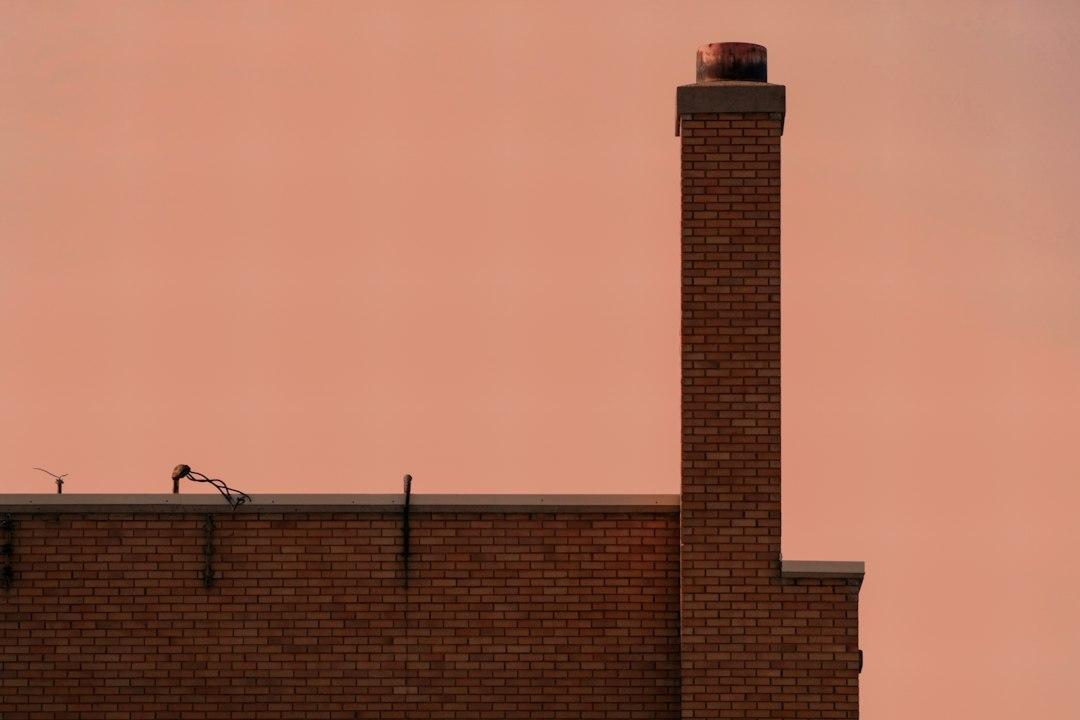
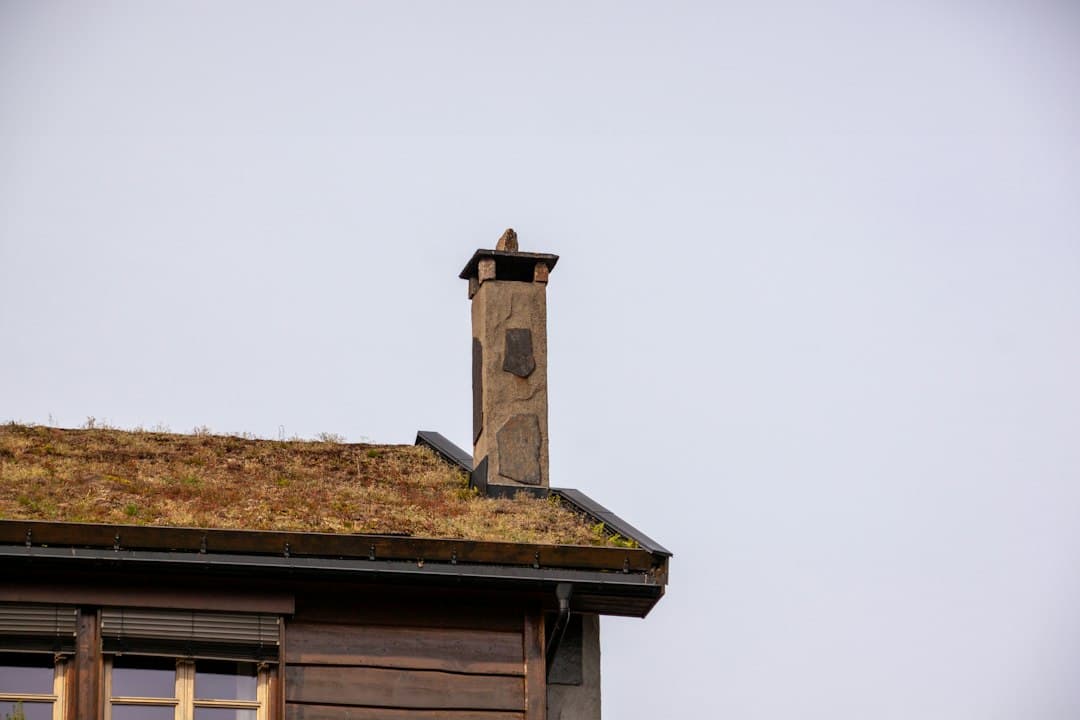
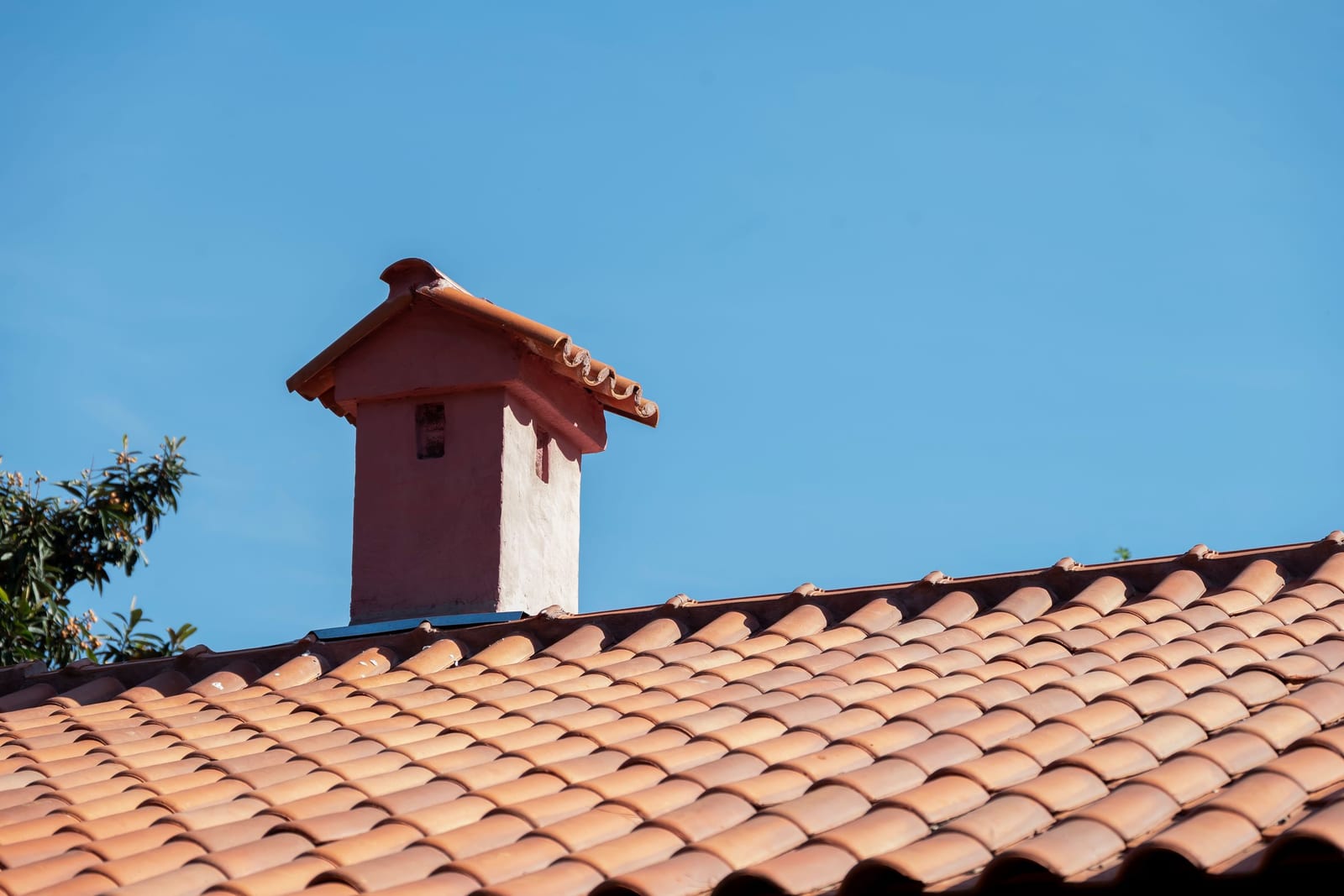
- The top. Is the cap still square on the crown? Are any bricks missing from the top courses? Is the crown in one piece?
- The line of the stack. Sight along the chimney from the street and from the side. Does the upper part line up with the lower part, or has it shifted? Does the whole chimney lean away from the house?
- The roofline. Is there a new gap between the chimney and the roof, or flashing that has pulled away?
- The wall. Look where the chimney meets the side of the house. A new gap, or an old one that now tapers open toward the roof, tells you the chimney and the house have parted company.
- The ground. Brick fragments, mortar chips or pieces of clay tile on the ground or roof are a sure sign that something above has broken.
Take photos of each view. They help any professional who comes out later, and they give you a record if you need one for any other purpose.
Do not climb onto the roof to look more closely. A damaged chimney and a roof covered in loose debris are a poor combination.
Inside the house
Inside, look at the fireplace and the wall around it:
- The firebox. Look for new cracks in the firebrick, bricks that have shifted out of line, and debris on the floor of the firebox that was not there before. Chips of tile in the firebox often mean the flue liner above has cracked.
- The chimney breast. Look for cracks running up from the corners of the fireplace opening, or across the face of the breast.
- The surround and mantel. Press gently on stone or tile panels. A panel that sounds hollow or moves may have come loose. Check that the mantel is still firmly attached.
- The hearth. Look for new cracks or a gap between the hearth and the firebox.
- Nearby walls and ceiling. Cracks in the drywall or plaster where the chimney meets the wall or ceiling can indicate movement at that level.
If your home has an attic you can reach safely, take a flashlight and look where the chimney passes through. Look for a new gap between the chimney and the framing, broken mortar on the attic floor around the chimney, and any daylight showing around the chimney at the roof.
Do not light a fire
Do not use the fireplace until the chimney has been checked. This applies even if nothing looks wrong. The most common hidden damage after shaking is inside the flue: cracked tiles and open joints between them. A fire in a flue with open joints can send heat and gases into the space between the liner and the outer brick, and in older homes that space can be close to framing. A crack you cannot see from the hearth is still a path for heat.
The same applies to gas fireplaces and gas logs. The vent or flue that carries their exhaust can be damaged in the same way, and a gas connection may have been strained. Leave them off until checked.
What a professional inspection adds
A homeowner's look from the yard can catch obvious damage. It cannot see inside the flue. NFPA 211, the standard most chimney professionals work to, calls for a Level 2 inspection after an event likely to have damaged a chimney. In a Level 2, a camera travels the whole height of the flue, and the inspector also checks the attic and other reachable spaces around the chimney.
During the inspection, we look for the specific signs that shaking leaves: horizontal cracks in the liner at the same height as a break in the outer masonry, joints that have opened, tile sections that have shifted against each other, debris from broken tile at offsets, and gaps between the chimney and the house framing. We also check the crown and cap for movement and the flashing for tears.
The report says what we found, what it means for using the fireplace, and what repair, bracing or rebuild would address it. We do not judge whether a chimney is safe or unsafe until it has been inspected.
When to call, and how soon
If the chimney has visibly moved, has lost bricks, or has debris around it, keep people clear of it and call for an inspection. These cases should be looked at before the next rain as well, because a broken chimney lets water into the house.
If nothing looks wrong but the shaking was strong enough to knock things off shelves, plan an inspection before you use the fireplace again. After a widely felt quake, many homeowners call at once, so it helps to book early and keep the fireplace out of use in the meantime.
If the shaking was light, a look from the yard and inside, plus your normal inspection schedule, may be enough. When in doubt, ask. We can tell you over the phone which inspection level fits what you have seen, and then confirm it on site.
Keep the photos
Photos taken after one quake become the baseline for the next. Homes in Rancho Palos Verdes and the hill neighborhoods around it will feel more shaking over the years, and knowing what a crack looked like last time is the quickest way to tell whether it has grown. Keep them with your house records, along with any inspection reports.
Saw One of These Signs on Your Own Chimney?
Reading about cracks only goes so far. Golden Poppy films the flue, measures the gap at the wall and shows you what moved. We work from Harbor City across Lomita, Torrance, the peninsula and Long Beach.