The problem bracing tries to solve
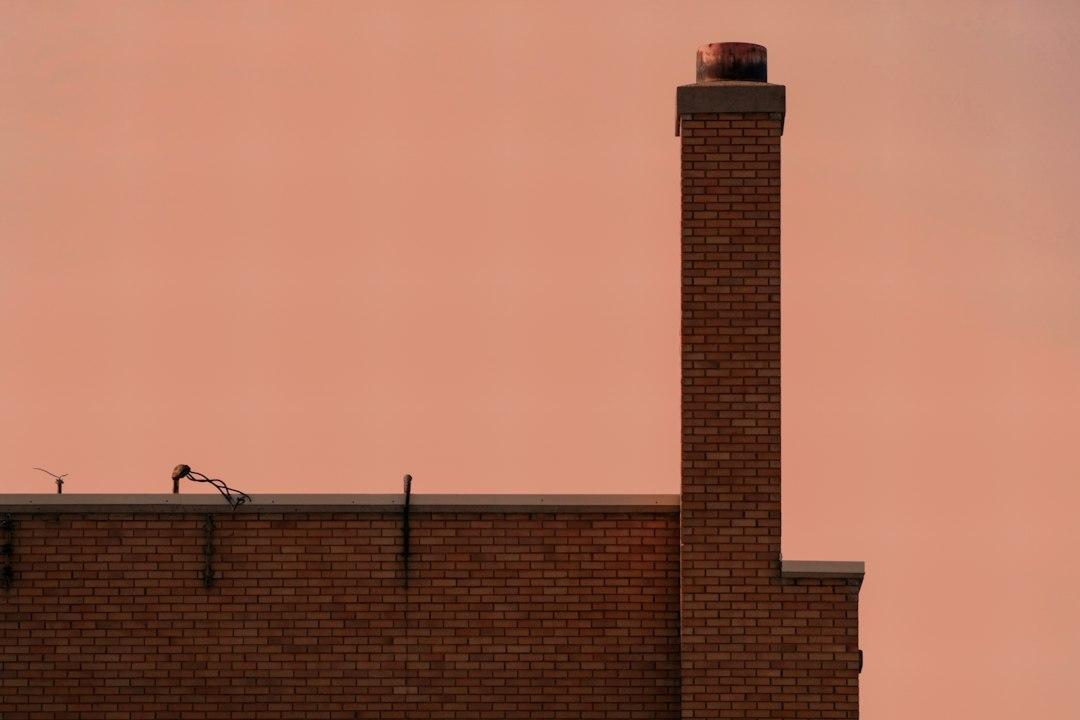
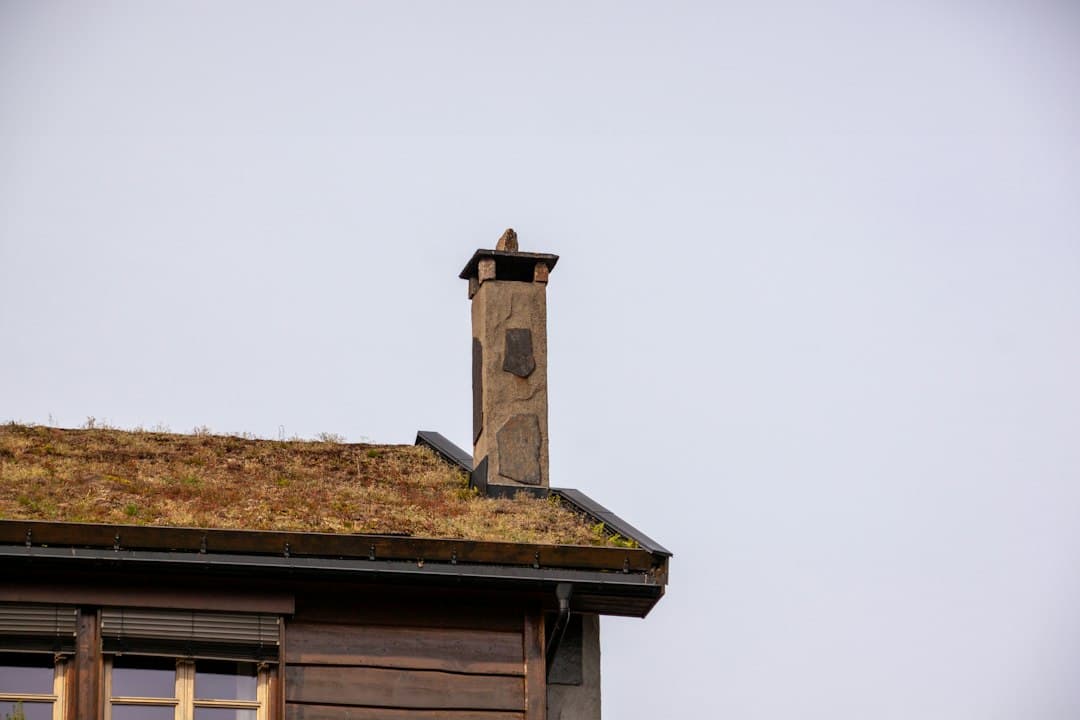
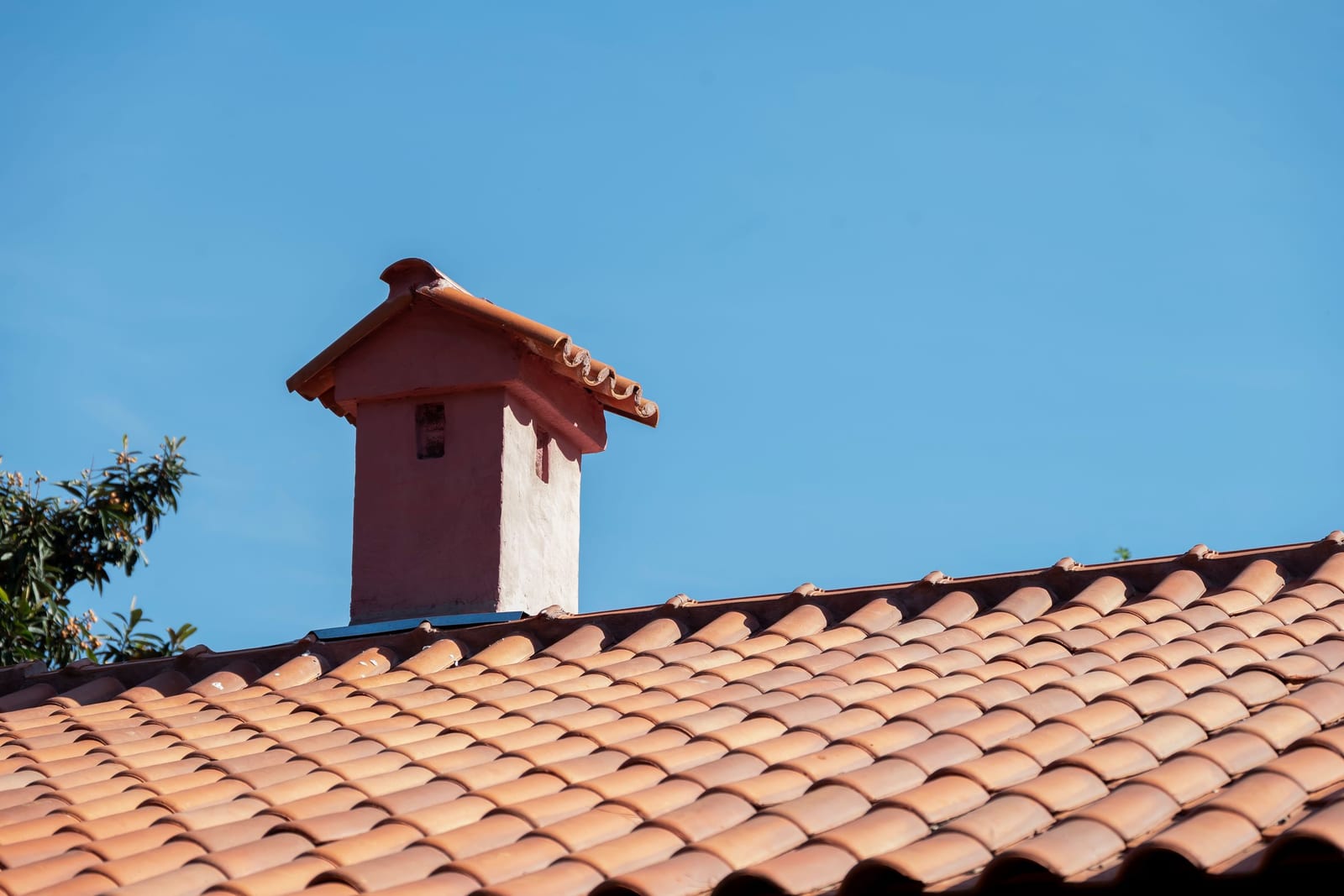
Most masonry chimneys on homes built before modern seismic rules have no steel inside them and few, if any, connections to the house framing. They stand next to the house rather than being part of it. When the ground moves, the chimney and the house sway at different rates, and the chimney, being heavy and stiff, can pull away from the wall or break at a weak joint.
Bracing is an attempt to make the chimney and the house move together, or at least to keep the chimney from moving too far on its own. It does that with steel: straps wrapped around the chimney and bolted into the floor, ceiling or roof framing, or braces that run from the upper chimney down to the roof structure. In Rancho Palos Verdes and the rest of the South Bay, homeowners ask about bracing most often after a nearby quake reminds them how old their chimney is.
The common types
Straps at the floor and ceiling lines. Flat steel straps are wrapped around the chimney where it passes a floor or the ceiling and fastened to the framing on either side. These connect the chimney to parts of the house that are strong in the horizontal direction. They are usually installed from the attic or from inside a wall, and they are hidden once finished.
Roof braces. Steel angles or tubes run from a band around the upper chimney down to the roof framing. They are meant to stop the free-standing top from swinging. They are visible from outside.
Interior reinforcement. In some cases, a chimney can be strengthened from the inside by grouting steel into the flue or by other methods that add steel to the masonry. These are more involved and depend heavily on the chimney's construction.
What bracing can do
A well-designed and well-installed strap connection can help keep the lower part of a chimney from separating from the house. If the chimney is sound and plumb, tying it to strong framing at each level means the house helps hold it up instead of the chimney standing alone.
Roof bracing on a sound upper chimney can reduce the swing of the top, which is the part most likely to break off.
Bracing is often less disruptive than a rebuild. Strap work at the ceiling line can sometimes be done in a day from the attic, with no change to how the chimney looks.
Where bracing falls short
Bracing is not reinforcement. Steel on the outside of a chimney does not tie the bricks to one another. If the mortar has gone soft or the stack is already cracked through, the bricks above and below a brace can still separate. A brace on a broken chimney is holding pieces, not a structure.
A brace is only as strong as what it is fastened to. A roof brace connected to roof sheathing or light rafters can transfer the chimney's swing into the roof itself. In a strong quake, that can damage the roof as the chimney moves, rather than stopping the chimney. A brace needs to reach framing that can take the load.
The connection to the chimney matters too. A strap clamped around a chimney with soft mortar may hold the outer bricks while the inner ones shift. Bolts set into weak brick can pull out.
For these reasons, bracing makes the most sense on a chimney that is still sound and plumb, with good mortar, connected to strong framing. It is a way to improve a good chimney's odds, not a repair for a damaged one.
How we decide whether bracing fits
We start with an inspection of the whole chimney, not just the part that would be braced. The questions are:
- Is the masonry sound? We look for cracks through the stack, soft mortar and loose courses.
- Is the chimney plumb? A chimney that already leans is a rebuild question, not a bracing question.
- What framing is available? We check the attic and roof framing next to the chimney to see whether it can take a connection.
- How tall is the upper chimney? A short stack with a solid crown is a different case from a tall, slender one.
Where a Level 2 inspection is needed to answer those questions, we say so and quote it in writing first. If the chimney is sound and the framing is strong, we explain what bracing would involve, where the connections would go and what it would and would not change. If the chimney is already damaged, we explain why repair or a partial rebuild should come first, and that bracing on its own would not be a good use of money.
Bracing, repair and rebuild together
Bracing is often one part of a larger plan. A chimney may need repointing and a new crown to make it sound, and then straps to connect it to the house. A chimney with a damaged upper section may need that section rebuilt with reinforcement, with the lower part strapped at the ceiling line. Seen that way, bracing is a tool for the right chimney, used alongside masonry work rather than in place of it.
The plain summary: bracing helps a sound chimney stay with the house. It does not make an unsound chimney sound. The way to know which you have is to have the chimney inspected, and to ask the inspector to explain what holds your chimney to the house today.
A note on permits
Structural work on a chimney, including bracing, may need a permit depending on the scope and the city. We check that when we quote the work, and we pull the permit where one is needed. In Rancho Palos Verdes and the neighboring cities, the building department's requirements decide how the connections are designed and inspected.
Saw One of These Signs on Your Own Chimney?
Reading about cracks only goes so far. Golden Poppy films the flue, measures the gap at the wall and shows you what moved. We work from Harbor City across Lomita, Torrance, the peninsula and Long Beach.